















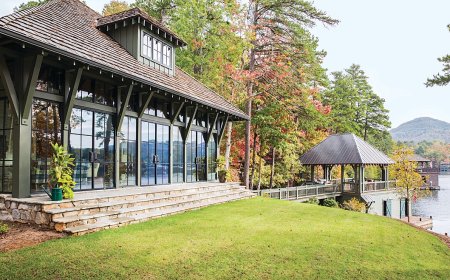










How to Picnic in Carville Hall Park
How to Picnic in Carville Hall Park Carville Hall Park, nestled in the heart of the rolling countryside just outside the historic town of Carville, is one of the most cherished green spaces in the region. With its sprawling lawns, mature oak trees, meandering brooks, and panoramic views of the valley, it offers an idyllic setting for a peaceful, memorable picnic. Yet, despite its popularity, many

How to Picnic in Carville Hall Park
Carville Hall Park, nestled in the heart of the rolling countryside just outside the historic town of Carville, is one of the most cherished green spaces in the region. With its sprawling lawns, mature oak trees, meandering brooks, and panoramic views of the valley, it offers an idyllic setting for a peaceful, memorable picnic. Yet, despite its popularity, many visitors overlook the subtle art of picnicking well in this unique environment. A successful picnic at Carville Hall Park isnt just about unpacking sandwiches and blanketsits about harmony with nature, thoughtful preparation, and respect for the parks ecosystem and community.
This guide is designed to transform your next visit from an ordinary outing into an exceptional experience. Whether youre a local resident seeking a quiet afternoon escape or a traveler exploring the regions hidden gems, learning how to picnic in Carville Hall Park with intention and care will elevate your time outdoors. This comprehensive tutorial covers everything from logistical planning to environmental stewardship, ensuring your picnic is not only enjoyable but also sustainable and respectful of the parks heritage.
Step-by-Step Guide
1. Research Park Hours and Seasonal Guidelines
Before you pack your basket, verify Carville Hall Parks operating hours. The park is open daily from sunrise to sunset, but seasonal adjustments may applyespecially during winter months when daylight hours are shorter. During peak season (April through October), certain areas may have restricted access for events or conservation efforts. Check the official Carville Hall Park website or visit the visitor center at the main entrance for the most current notices.
Also, be aware of any fire bans or picnic restrictions. Open flames are prohibited except in designated fire pits, which are available on a first-come, first-served basis. Alcohol consumption is permitted only in designated areas, and pets must remain leashed at all times. Familiarizing yourself with these rules ahead of time ensures you avoid unintended violations and contributes to a harmonious environment for all visitors.
2. Choose the Ideal Picnic Spot
Carville Hall Park spans over 200 acres and features a variety of picnic-friendly zones. The most popular areas include:
- The Sunken Meadow: A gently sloping, open lawn shaded by a canopy of ancient oaks. Ideal for large groups and families.
- Brookside Grove: Located along the Crystal Creek tributary, this shaded, quiet zone offers the sound of running water and is perfect for couples or solo visitors seeking serenity.
- The Terrace Overlook: Elevated with sweeping views of the valley, this spot is best for sunset picnics and photography enthusiasts.
- The Heritage Pavilion: A covered, semi-enclosed structure with picnic tables, ideal for inclement weather or those needing shade without the hassle of setting up a blanket.
Arrive earlyespecially on weekendsto secure your preferred location. Many visitors arrive after 11 a.m., so a 9 a.m. arrival ensures quiet and prime positioning. Use the parks interactive map, available at kiosks or via the official mobile app, to scout locations in advance.
3. Pack Thoughtfully: The Essential Picnic Kit
Effective picnicking begins with smart packing. Avoid overloading your bagfocus on essentials that enhance comfort and minimize waste.
Must-have items:
- A durable, waterproof picnic blanket (preferably with a non-slip backing)
- Reusable plates, cups, utensils, and cloth napkins
- Insulated cooler with ice packs (for perishables)
- Biodegradable trash bags (for waste collection)
- Hand sanitizer and wet wipes
- A small first-aid kit (bandages, antiseptic, insect repellent)
- Sunscreen and wide-brimmed hats
- Lightweight folding chairs (optional, for those who prefer seating over ground-level lounging)
- A portable speaker (low volume only, and only if permitted in your chosen zone)
Pro tip: Use a collapsible, insulated tote bag to carry food and drinksits easier to transport than a bulky cooler and keeps items organized.
4. Prepare Picnic-Friendly Meals
When selecting food, prioritize items that are easy to eat, transport, and clean up. Avoid messy, drippy, or heavily scented foods that attract wildlife. Here are some picnic-optimized meal ideas:
- Whole grain wraps with hummus, roasted vegetables, and feta
- Chilled quinoa or farro salads with herbs and lemon vinaigrette
- Hard-boiled eggs, sliced cheese, and whole fruit (apples, grapes, oranges)
- Homemade trail mix with nuts, seeds, and dried cranberries
- Artisan bread with olive oil and balsamic for dipping
- Sparkling water, herbal iced tea, or infused lemon water in reusable bottles
For dessert, consider individual fruit tarts, dark chocolate squares, or oatmeal cookiesitems that dont melt or crumble excessively. Avoid sugary sodas and heavily processed snacks; they generate more waste and offer less nutritional satisfaction.
5. Set Up Your Picnic Area with Care
Once youve selected your spot, lay your blanket on level ground, away from ant trails, wet patches, or low-hanging branches. If using chairs, place them on grass, not on flower beds or protected root zones. Always position your setup so that the wind blows away from your foodthis helps keep insects at bay and prevents crumbs from blowing into the surrounding flora.
Use a small tarp or waterproof mat under your blanket if the grass is damp, especially in early morning or after rain. Avoid placing food directly on the groundeven on a blanketto prevent contamination from soil or insects. Use a clean surface like a cutting board or tray for serving.
Keep your space tidy as you go. Designate one corner of your blanket for trash and another for clean items. This habit makes cleanup efficient and prevents accidental littering.
6. Enjoy Responsibly and Quietly
Carville Hall Park is a sanctuary for wildlife and a refuge for quiet contemplation. Keep noise levels lowespecially near the brook and birding trails. Avoid loud music, even with headphones, as vibrations can disturb animals. If you bring children, supervise them closely and encourage gentle play.
Take time to observe your surroundings. Notice the rustle of leaves, the call of the red-winged blackbird, or the way sunlight filters through the canopy. A picnic isnt just about eatingits about presence. Consider bringing a journal, sketchpad, or poetry book to deepen your connection with the environment.
7. Clean Up Thoroughly and Leave No Trace
Leaving no trace is not a suggestionits a requirement. Before you depart, conduct a full sweep of your area. Pick up every crumb, wrapper, napkin, and bottle capeven those you think are biodegradable. Plastic and paper do not decompose quickly in natural settings and can harm wildlife.
Dispose of waste in designated bins. If the nearest bin is far, carry your trash with you until you find one. Compostable items like fruit peels should be placed in compost bins if available; otherwise, they still belong in the trash, not on the ground.
Check under your blanket, behind trees, and in the grass for forgotten items. Even a single plastic fork left behind can be mistaken for food by birds or small mammals. Return all borrowed or rented items (like folding chairs) to their proper place. If you used a fire pit, ensure the fire is completely extinguished with water, not just dirt.
8. Explore the Park After Your Picnic
Dont rush to leave. Carville Hall Park offers more than picnic spotsits a living museum of local ecology and history. After your meal, take a leisurely walk along the Heritage Trail, a 1.2-mile loop that passes restored 19th-century stone walls and interpretive signs about the parks agricultural past. Visit the native plant garden near the east entrance, where you can learn about regional flora and pollinators.
Bring binoculars to spot deer, foxes, or migratory birds. The parks naturalist-led walks are offered on Saturday mornings (check the schedule online). Even if you dont join a guided tour, the self-guided audio tour available via QR code at trailheads provides fascinating context about the land and its caretakers.
Best Practices
Respect Wildlife and Vegetation
Carville Hall Park is home to over 140 species of birds, several native mammal populations, and a rich understory of wildflowers and ferns. Never feed animalseven if they seem friendly. Squirrels, raccoons, and deer that become accustomed to human food lose their natural foraging instincts and can become aggressive or unhealthy. Avoid stepping on wildflowers or trampling grassy meadows. Stick to marked paths when exploring beyond your picnic zone.
Minimize Single-Use Plastics
Plastic waste is the leading threat to park ecosystems. Opt for reusable containers, beeswax wraps instead of plastic wrap, stainless steel straws, and cloth napkins. Bring your own refillable water bottlethere are three free water refill stations located near the main pavilion, the visitor center, and the west parking lot.
Plan for Weather and Seasonal Changes
Weather in Carville can shift rapidly. Always check the forecast, but prepare for the unexpected. Pack a lightweight, packable rain jacket even if the sky looks clear. In spring and fall, temperatures can drop quickly after sunsetbring a light sweater or blanket. In summer, UV levels are high; sunscreen and hats are non-negotiable. In winter, while picnicking is possible on mild days, avoid icy paths and be aware that restrooms may be closed.
Arrive Early, Leave Before Sunset
Arriving before 10 a.m. gives you the best chance at parking and prime picnic spots. The main lot fills by noon on weekends. Leaving before dusk ensures you dont get caught in low light, which can make navigation difficult and increases the risk of disturbing nocturnal wildlife.
Engage with Park Volunteers and Staff
Carville Hall Park relies on a network of trained volunteers who maintain trails, educate visitors, and monitor wildlife. If you see a volunteer in a green vest, dont hesitate to ask questions. They can recommend lesser-known picnic spots, point out seasonal blooms, or share stories about the parks history. Supporting their work by following guidelines and volunteering yourself strengthens the parks future.
Bring a Gift, Not a Burden
Think of your picnic not as an extraction from nature, but as a contribution to it. If youre able, bring a small bag of native seeds (like milkweed or black-eyed Susan) and plant them in designated restoration areas (ask staff for locations). Or, simply pick up three pieces of litter you didnt leave behind. These small acts multiply into meaningful impact.
Tools and Resources
Official Carville Hall Park Website
The parks official websitewww.carvillehallpark.orgis your primary resource. It features:
- Daily updates on trail closures and event schedules
- Interactive map with picnic spot locations and restroom access
- Downloadable PDF guides for self-guided walks
- Seasonal event calendar (wildflower blooms, birdwatching days, outdoor concerts)
- Volunteer sign-up forms and educational programs
Mobile App: Carville Park Companion
Available for iOS and Android, the Carville Park Companion app offers real-time features:
- Live parking availability
- Audio tour narration (available in English and Spanish)
- Weather alerts and pollen counts
- QR code access to park history and species identification
- Photo journal feature to save and share your favorite spots
Recommended Gear Suppliers
For high-quality, eco-conscious picnic gear, consider these trusted local and national brands:
- GreenTrek Outfitters: Offers durable, recycled-material picnic blankets and collapsible tableware.
- Heritage Coolers: Insulated, BPA-free coolers made from reclaimed ocean plastic.
- WildRoot Naturals: Organic, locally sourced picnic snacks and beverages.
- MapleLeaf Gear: Lightweight, waterproof picnic mats with built-in storage pockets.
Many of these products are available at the parks gift shop, which reinvests profits into conservation efforts.
Local Libraries and Educational Centers
Carville Public Library offers free access to field guides on regional birds, plants, and insects. The Carville Nature Center, located just a mile from the park entrance, hosts monthly workshops on sustainable outdoor living, including Picnicking with Purpose sessions that cover waste reduction and wildlife ethics.
Community Groups and Meetups
Join the Carville Picnic Club, a community group that organizes monthly picnics with educational themeslike Zero-Waste Picnic Day or Birdsong and Bento. Members share tips, recipes, and favorite spots. Find them on Facebook or through the parks community bulletin board.
Real Examples
Example 1: The Thompson Family A Multi-Generational Picnic
The Thompsons, a family of five from Carville, began their tradition of Sunday picnics at the park five years ago. They started with basic sandwiches and plastic bags. Over time, they transitioned to reusable silicone containers, cloth napkins, and a portable solar-powered speaker for soft acoustic music.
They now arrive at 8:30 a.m., claim a spot under the Great Oak near the Sunken Meadow, and spend their time not just eating but playing nature bingo with the kidsidentifying birds, flowers, and insects. Afterward, they walk the Heritage Trail and collect three pieces of litter each. Their daughter, 8-year-old Maya, keeps a Park Journal, drawing what she sees and writing one thing she learned.
We dont just go to the park, says Sarah Thompson. We go to learn, to breathe, and to give back. Thats what makes it feel like home.
Example 2: Raj and Elena A Solo Picnic for Mindfulness
Raj, a software engineer, and Elena, a yoga instructor, began meeting once a month for silent picnics at Brookside Grove. They bring no phones, no music, no conversationjust a thermos of chamomile tea, two pieces of dark chocolate, and a shared blanket.
They sit quietly for 45 minutes, observing the creek, the dragonflies, the way the light shifts through the trees. Then, they each write one word on a small stonecalm, gratitude, stillnessand leave it on the mossy bank.
Its not about the food, Elena says. Its about remembering were part of something larger. The park doesnt ask for anything from us. We just need to show up, quietly, and be present.
Example 3: The Green Picnic Challenge A Community Initiative
In spring 2023, the Carville Environmental Alliance launched the Green Picnic Challenge, inviting residents to host picnics using only zero-waste methods. Over 120 families participated. Winners were selected based on creativity, waste reduction, and educational impact.
One winning entry featured a picnic made entirely from locally foraged ingredients: wild garlic pesto sandwiches, dandelion salad, and elderflower cordial. Another used hand-sewn linen napkins dyed with beetroot and shared recipes with neighbors.
The initiative led to a permanent Zero-Waste Picnic Zone at the parks north entrance, complete with compost bins, water refill stations, and educational signage. Its now a model for other regional parks.
FAQs
Can I bring my dog to Carville Hall Park for a picnic?
Yes, dogs are welcome but must be kept on a leash no longer than six feet at all times. Dog waste must be collected and disposed of in designated pet waste bins. Certain areas, including the native plant garden and birding trails, are off-limits to pets. Always carry water for your dog and avoid letting them drink from the creekwater quality can vary.
Are there picnic tables available, or do I need to bring my own?
Picnic tables are available at the Heritage Pavilion, near the main parking lot, and at the west meadow. These are first-come, first-served. You are welcome to bring your own portable table, but it must be placed on grass, not on trails or flower beds. Tables are not permitted in the Sunken Meadow or Brookside Grove to preserve the natural landscape.
Can I have a bonfire during my picnic?
No open fires are permitted except in the parks designated fire pits, which are located only at the east picnic area. These pits are available on a first-come, first-served basis and require a free permit obtained at the visitor center. Always extinguish fires completely with water. Never burn trash or plastic.
Is there a fee to picnic in Carville Hall Park?
No, picnicking is free year-round. Parking is also free. Donations are welcome and can be made at the visitor center or online to support trail maintenance and wildlife conservation.
Can I reserve a picnic spot for a large group event?
Yes, groups of 15 or more can reserve designated areas (such as the Heritage Pavilion or the Terrace Overlook) through the parks events portal. Reservations require a $25 administrative fee and must be made at least seven days in advance. Group events must adhere to noise and waste guidelines.
What should I do if I see someone littering or feeding wildlife?
If you observe behavior that violates park rules, politely inform the individual if you feel safe doing so. Otherwise, report the incident to park staff or use the anonymous reporting feature in the Carville Park Companion app. Your vigilance helps protect the park for everyone.
Is the park accessible for people with mobility challenges?
Yes. Carville Hall Park offers paved, ADA-compliant paths to the main picnic areas, restrooms, and the Heritage Pavilion. Wheelchair-accessible picnic tables are available. The park also provides complimentary loaner wheelchairs and mobility scootersrequest one at the visitor center upon arrival.
Can I bring a drone for aerial photos during my picnic?
Drone use is strictly prohibited in Carville Hall Park without a special permit. Drones disrupt wildlife, particularly nesting birds, and interfere with the peaceful experience of other visitors. Photography is encouraged, but ground-level shots are the best way to capture the parks beauty without disturbance.
Whats the best time of year to picnic in Carville Hall Park?
Spring (AprilMay) offers blooming wildflowers and mild temperatures. Summer (JuneAugust) is ideal for long, sunny afternoons but can be crowded. Fall (SeptemberOctober) brings stunning foliage and fewer visitors. Winter picnics are quiet and magical on clear, crisp daysjust dress warmly. Each season has its own charm.
Can I bring alcohol to my picnic?
Alcohol is permitted only in the designated picnic zones: the Heritage Pavilion and the Terrace Overlook. It is prohibited in the Sunken Meadow, Brookside Grove, and all trail areas. Containers must be non-glass, and consumption must be responsible. Open containers are not allowed on public paths.
Conclusion
Picnicking in Carville Hall Park is more than a leisure activityits an act of reverence. Its about slowing down, connecting with nature, and honoring the land that provides us space, beauty, and peace. When you follow the steps outlined in this guide, youre not just having a meal outdoorsyoure becoming part of a legacy of stewardship.
The choices you makewhat you bring, where you sit, how you clean up, and how you treat the wildlifeecho far beyond your afternoon. They shape the parks future. A single plastic wrapper left behind can harm a bird. A quiet moment shared under an oak can inspire a child to become a conservationist. A thoughtful picnic can become a tradition that lasts generations.
So next time you plan a visit to Carville Hall Park, go beyond the basics. Pack with care. Sit with presence. Leave with gratitude. Let your picnic be more than a meal. Let it be a moment of harmony.
And when you returnagain and againyoull find that the park doesnt just welcome you. It remembers you.