















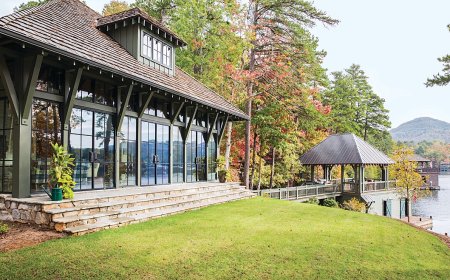










How to Picnic in Hurst Park
How to Picnic in Hurst Park Picnicking is more than just eating outdoors—it’s a deliberate act of reconnecting with nature, slowing down the pace of daily life, and creating meaningful moments with friends and family. Nowhere is this more true than at Hurst Park, a serene and beautifully maintained riverside green space nestled along the River Thames in West London. With its expansive lawns, shade

How to Picnic in Hurst Park
Picnicking is more than just eating outdoorsits a deliberate act of reconnecting with nature, slowing down the pace of daily life, and creating meaningful moments with friends and family. Nowhere is this more true than at Hurst Park, a serene and beautifully maintained riverside green space nestled along the River Thames in West London. With its expansive lawns, shaded groves, and panoramic views of the water, Hurst Park offers one of the most accessible and enchanting picnic destinations in the Greater London area. Whether youre a local resident seeking a weekend escape or a visitor exploring the regions hidden gems, mastering the art of picnicking here ensures an unforgettable experience.
This guide is your comprehensive resource for planning, preparing, and perfecting your picnic at Hurst Park. Unlike generic picnic tips, this tutorial is tailored specifically to the unique geography, regulations, and seasonal rhythms of Hurst Park. Youll learn not only how to pack and where to sit, but also how to respect the environment, avoid common pitfalls, and enhance your outing with thoughtful details that elevate a simple meal into a memorable occasion. By following this guide, youll transform your next visit from a casual outing into a well-executed, deeply satisfying experience that aligns with both personal enjoyment and environmental stewardship.
Step-by-Step Guide
Step 1: Choose the Right Day and Time
The foundation of a successful picnic begins long before you pack your basket. Weather and timing are critical factors at Hurst Park, where the combination of open fields and proximity to the river creates microclimates that can shift rapidly. Start by checking the local forecast for the day of your planned visit. Aim for a clear or partly cloudy day with temperatures between 15C and 22Cideal for outdoor comfort without the risk of overheating or sudden rain.
Arrival time matters significantly. Weekends, especially Saturday afternoons, draw large crowds, particularly during spring and summer months. For maximum tranquility, arrive between 9:00 AM and 11:00 AM on weekdays. Youll secure the best spots under the mature oaks and sycamores near the riverbank, and youll avoid the midday rush of families and dog walkers. If you prefer a more lively atmosphere, plan for late afternoon on a Sundayjust be sure to arrive by 3:00 PM to claim a good location.
Also consider seasonal events. Hurst Park hosts occasional community festivals, outdoor yoga sessions, and river clean-up initiatives. Check the Richmond Council events calendar or the Hurst Park Friends group on social media to avoid conflicts or to join in on special gatherings that enhance your experience.
Step 2: Select Your Picnic Spot
Hurst Park spans approximately 35 acres and features several distinct zones, each suited to different types of picnics. The most popular areas include:
- The Riverside Lawn: Directly adjacent to the Thames, this gently sloping grassy area offers the most picturesque views and is ideal for couples or small groups seeking calm and scenic beauty. Its shaded in the morning by willows and alders.
- The Central Meadow: Located near the main entrance off Hurst Park Road, this expansive open field is perfect for larger groups, games like frisbee or badminton, and families with children. Its the sunniest spot and receives the most foot traffic.
- The Woodland Edge: Found along the western boundary, this zone is dappled with shade and offers privacy. Its quieter and less frequented, making it ideal for reading, journaling, or intimate conversations.
- The Picnic Grove (Near the Bandstand): A designated area with fixed picnic tables and benches. While less natural, its the most accessible for those with mobility challenges or those bringing heavy equipment.
When selecting your spot, consider wind direction, sun exposure, and proximity to amenities. Avoid low-lying areas near the rivers edge where moisture accumulates and insects gather. Look for flat, dry ground with natural windbreakstrees or hedgesthat will protect your spread from gusts. Always leave at least 2 meters between your setup and walking paths to ensure safe passage for others.
Step 3: Pack Smart and Light
Efficient packing is the hallmark of a stress-free picnic. Overpacking leads to clutter and fatigue; underpacking risks discomfort. Use a sturdy, insulated picnic basket or a high-quality cooler bag with wheels if youre carrying heavier items. Heres a recommended checklist:
- Tableware: Reusable plates, napkins, cutlery, and glasses. Avoid single-use plastics to reduce environmental impact.
- Food: Sandwiches, wraps, fruit (apples, grapes, berries), cheese, crackers, and nuts. Pack items that travel well and dont require refrigeration beyond a few hours.
- Drinks: Water in reusable bottles (minimum 500ml per person), iced tea, or sparkling water. Avoid glass containersopt for BPA-free plastic or stainless steel.
- Extras: A compact, waterproof picnic blanket (at least 1.8m x 2m), a small towel for damp grass, sunscreen, insect repellent, hand sanitizer, and a trash bag.
- Optional Enhancements: A portable speaker (keep volume low), a book, binoculars for birdwatching, or a small field guide to Thames wildlife.
Pro tip: Freeze a water bottle overnightit doubles as an ice pack and provides chilled water as it thaws. Pack perishables like dairy or cooked meats in a separate insulated compartment with ice packs, and keep them in the shade until serving.
Step 4: Prepare and Transport Your Meal
Food safety is non-negotiable, especially in warm weather. Keep hot foods hot and cold foods cold. Use thermal containers for soups or leftovers, and store chilled items in a cooler with frozen gel packs. Never leave food unattended in direct sunlight for more than 30 minutes.
Pre-assemble sandwiches and wraps at home to minimize mess. Use wax paper or beeswax wraps instead of plastic cling film. Chop fruit into bite-sized pieces and store them in small, sealable containers. Bring a small cutting board and knife if you plan to slice cheese or bread on-site.
If youre bringing a hot dish like pasta salad or roasted vegetables, transfer it to a ceramic or stainless steel container the night before and refrigerate. Place it in your cooler just before leaving. This ensures it stays at a safe temperature during transit.
Label any allergen-containing foods (e.g., nuts, gluten) clearly, especially if sharing with others. Consider dietary preferences in advanceoffer vegetarian, vegan, or gluten-free options to ensure inclusivity.
Step 5: Set Up Your Picnic Area
Once you arrive at your chosen spot, lay out your blanket first. Shake it gently to remove debris, then position it so the patterned side faces up and the waterproof backing is on the ground. If the grass is damp, place a thin tarp or large towel underneath for added protection.
Arrange your items strategically: place the cooler on the downwind side to prevent odors from drifting toward your seating area. Keep napkins and utensils within easy reach, and designate a trash zone a few feet away from your eating area using your reusable bag. This prevents attracting insects and keeps your space tidy.
If youre bringing a portable chair, set it up at least one meter from the blankets edge to avoid crowding. Avoid placing heavy items on the grass for extended periods, as this can damage the turf. Use a small mat under chair legs if the ground is uneven.
Always leave space for movement. A well-organized picnic feels spacious and inviting, not cramped or chaotic. If youre with children, designate a small play area away from food and ensure toys are stored in a separate bag to avoid contamination.
Step 6: Enjoy and Engage Mindfully
Now that everything is set, take a moment to pause. Breathe in the scent of damp earth and blooming elderflowers. Listen to the rustle of leaves and the distant call of kingfishers. This is the heart of picnickingnot the food, but the stillness.
Encourage conversation, play gentle music at low volume, or simply sit in silence together. Avoid screens unless absolutely necessary. If you bring a tablet or phone, use it to capture photosnot to scroll through social media.
Engage with the environment. Observe the rivers flow, identify birds using a free app like Merlin Bird ID, or sketch the landscape in a notebook. Hurst Park is a designated Site of Metropolitan Importance for Nature Conservationyour presence is part of its story.
Be respectful of others. Keep noise levels low, especially near the woodland edge. If someone arrives nearby with a dog, politely confirm whether its on a leash and offer space if needed. Picnicking is a shared experience, and mutual respect enhances everyones enjoyment.
Step 7: Clean Up and Leave No Trace
Leaving your picnic spot cleaner than you found it is not optionalits essential. Hurst Park is maintained by volunteers and local authorities who rely on visitors to uphold its beauty.
Begin cleanup before you pack your belongings. Collect all trash, including small items like napkin corners, fruit peels, and plastic wrappers. Even biodegradable waste like apple cores or banana peels should be packed outwildlife here is protected, and feeding animals disrupts their natural foraging habits.
Wipe down reusable items with a damp cloth or wet wipe. If you used a picnic mat, shake it thoroughly and fold it neatly. Check under benches and around trees for forgotten items.
Dispose of waste in designated bins located near the main entrances and near the bandstand. Do not leave bags by the roadside or in bushes. If bins are full, take your trash home. There is no excuse for littering.
Finally, take one last look around. Did you leave a bottle cap? A childs sock? A napkin caught in the grass? A few extra seconds of attention can make a lasting difference.
Best Practices
Respect the Natural Environment
Hurst Park is not just a recreational spaceits a living ecosystem. The River Thames corridor supports over 120 species of birds, including herons, mallards, and the elusive grey wagtail. The hedgerows and meadows are home to native wildflowers like oxeye daisies, yellow rattle, and common knapweed, which provide vital nectar for pollinators.
Stay on marked paths when possible. Straying onto protected grasslands can compact soil and damage root systems. Do not pick flowers, dig in the earth, or disturb nesting areas. If you see signs of wildlifesuch as a bird on a nest or a fox denobserve from a distance and do not attempt to interact.
Use eco-friendly products. Choose biodegradable soaps if washing hands or dishes, and avoid aerosol sprays. Even natural insect repellents can harm beneficial insects if overused. Apply sparingly and only to exposed skin.
Be Considerate of Other Visitors
Hurst Park welcomes a diverse mix of users: joggers, dog walkers, artists, students studying under trees, and elderly visitors enjoying quiet benches. Your picnic should enhancenot disruptthe shared experience.
Keep music to a minimum. If you play audio, use headphones or set volume to the lowest possible level. Avoid loud games or shouting, especially during early morning or late afternoon hours when the park is quieter.
Be mindful of dog owners. Even if your pet is not with you, some visitors may be anxious around unfamiliar animals. If your dog is present, keep it leashed unless in designated off-leash zones (which are clearly marked). Always clean up after your pet immediately.
Give space to photographers and artists. Many come to Hurst Park for its light and scenery. Dont block their view or walk through their frame without asking.
Plan for Accessibility and Inclusivity
Hurst Park is designed to be inclusive. The main entrance, picnic grove, and accessible toilets are wheelchair-friendly, and paved paths connect major areas. However, not all grassy zones are navigable for mobility aids.
If you or someone in your group uses a wheelchair, walker, or stroller, stick to the central and riverside paved routes. Avoid steep slopes near the riverbank. Inform your group in advance so everyone can choose a meeting point that suits all mobility levels.
Consider dietary restrictions, sensory sensitivities, and language barriers when planning your menu and activities. Offer a variety of food options, avoid strong scents (like perfumes or garlic-heavy dishes), and be patient with those who need more time to settle in.
Weather Preparedness
London weather is famously unpredictable. Even on a sunny morning, rain can roll in by afternoon. Always carry a lightweight, packable rain jacket or poncho. A compact umbrella is useful, but avoid large ones that obstruct views or block sunlight for others.
On hot days, bring a wide-brimmed hat, sunglasses, and high-SPF sunscreen. The sun reflects off the river, increasing UV exposure. Reapply sunscreen every two hours.
In cooler months (OctoberApril), layer clothing. A fleece or light wool jacket over a long-sleeve shirt is ideal. Bring a thermos of warm tea or brothnothing warms the spirit like a hot drink on a crisp autumn afternoon.
Timing and Duration
Plan your picnic for 2 to 3 hours maximum. Longer stays can lead to fatigue, increased waste, and discomfort from changing weather. Use your time wisely: arrive early to secure a spot, enjoy a leisurely meal, take a short walk along the river, then depart before the park gets crowded.
Set a gentle timer on your phonefive minutes before you plan to leaveto signal the transition from relaxation to cleanup. This prevents rushed packing and forgotten items.
Tools and Resources
Essential Gear Checklist
Investing in quality picnic tools enhances comfort and sustainability. Heres a curated list of recommended items:
- Picnic Blanket: Look for waterproof backing and sand-resistant fabric. Brands like Picnic at Ascot or Pendleton offer durable, machine-washable options.
- Insulated Cooler Bag: Choose one with thick insulation and a secure zip. A 20-liter capacity is sufficient for 46 people.
- Reusable Tableware: Bamboo or stainless steel sets are lightweight and eco-friendly. Avoid plastic entirely.
- Collapsible Water Bottle: Brands like Hydro Flask or Swell offer insulated bottles that keep drinks cold for 24 hours.
- Portable Trash Bag: A compact, odor-proof bag with a clip closure is essential for carrying waste out.
- Small First Aid Kit: Include antiseptic wipes, bandages, tweezers, and allergy medication.
- Field Guide App: Download Merlin Bird ID or Seek by iNaturalist to identify local flora and fauna.
- Mini Fan or Cooling Towel: Useful for hot summer days. Soak the towel in water and drape it around your neck.
Local Resources and Apps
Several tools can enhance your visit to Hurst Park:
- Richmond Council Parks Website: Provides up-to-date information on park closures, maintenance schedules, and event calendars. Visit richmond.gov.uk/parks.
- Hurst Park Friends Group (Facebook): A community-run page where locals share tips, volunteer opportunities, and seasonal updates.
- Thames River Trust: Offers guided walks and educational resources on the rivers ecology. Check their events page for free ranger-led tours.
- Google Maps Offline: Download the Hurst Park area before your visit. Cell service can be spotty near the river.
- Weather Apps: Use the BBC Weather app or Windy.com for hyperlocal forecasts, especially wind speed and precipitation probability.
Where to Buy Picnic Supplies Locally
For fresh, high-quality ingredients, visit these nearby spots:
- Richmond Farmers Market (Saturday mornings): Offers artisanal cheeses, organic fruit, sourdough bread, and homemade jams.
- Waitrose Richmond: Has a dedicated picnic section with pre-made salads, chilled drinks, and reusable containers.
- Whole Foods Market (Twickenham): Excellent for vegan and gluten-free options, including chilled dips and plant-based wraps.
- Local Bakeries: Try The Bakery at Twickenham or The Crumb for freshly baked pastries and sandwiches.
Recommended Reading and Media
Deepen your appreciation of picnicking and nature with these resources:
- The Art of Picnicking by Jane Grigson A classic guide to British picnic traditions.
- Wilding by Isabella Tree A powerful account of rewilding in the UK, including the Thames corridor.
- The River Thames: A Natural History by David Gaimster A beautifully illustrated overview of the rivers ecosystem.
- YouTube Channel: Thames Path Walks Short documentaries on riverside trails and wildlife.
- Podcast: Nature Talks with the Royal Society for the Protection of Birds Episodes on urban biodiversity.
Real Examples
Example 1: A Family Picnic with Two Young Children
The Patel family from Twickenham planned their first picnic at Hurst Park for their 5-year-old and 2-year-old. They arrived at 10:30 AM on a Saturday, choosing the Central Meadow for its open space and proximity to the playground.
They packed a cooler with turkey and cheese wraps, sliced apples, yogurt pouches, and chilled water. Each child had their own small blanket and a favorite stuffed animal. They brought a portable sandpit toy set and a bubble wand.
After lunch, they walked to the nearby duck pond (a 5-minute stroll), where the children fed the ducks with unsalted bread (provided by the family, not purchased on-site). They spent 45 minutes watching the birds before packing up.
Key success factors: They arrived early, packed child-friendly food, stayed within a designated play zone, and cleaned up thoroughly. They left no wrappers, even picking up a discarded crisp packet they found nearby.
Example 2: A Solo Nature Journalists Afternoon
Emma, a freelance writer, visited Hurst Park on a quiet Tuesday afternoon to gather inspiration for an article on urban green spaces. She arrived at 2:00 PM and chose the Woodland Edge, near the old oak tree marked by a plaque.
She carried a lightweight canvas tote with a notebook, fountain pen, a thermos of Earl Grey tea, and a small sandwich. She didnt use her phone except to take three photos of a kingfisher perched on a branch.
She spent two hours sketching the play of light through the leaves and jotting down observations about the rustling of the wind. She noted the scent of wet soil after a brief drizzle and the distant hum of a passing train.
Her takeaway: The quietest moments here arent found in silencebut in the subtle symphony of nature, if youre willing to listen. She left no trace, even removing a fallen leaf that had landed on her notebook.
Example 3: A Group of Friends Celebrating a Birthday
Five friends gathered at Hurst Park to celebrate one members 30th birthday. They arrived at 4:00 PM, bringing a homemade cake, sparkling cider, and a Bluetooth speaker.
They chose the Riverside Lawn, setting up a large blanket with fairy lights strung between two trees (battery-operated, low wattage). They played soft jazz and shared stories as the sun set over the river.
They brought compostable plates and napkins, and after the celebration, they sorted their waste: organic scraps went into a separate bag for home composting, and recyclables were taken to the nearest bin.
They left a small handwritten note tucked under a stone near the water: Thank you, Hurst Park. For peace, for beauty, for memories.
FAQs
Is there parking available at Hurst Park?
Yes, there is a small free public car park on Hurst Park Road, with approximately 30 spaces. It fills quickly on weekends, especially in summer. Consider using public transport: the nearest station is Richmond, served by London Overground and South Western Railway. From Richmond Station, its a 15-minute walk through the historic town center.
Can I bring my dog to Hurst Park?
Yes, dogs are welcome but must be kept on a leash in most areas, especially near the river and playgrounds. There is one designated off-leash zone near the eastern boundary, clearly marked with signage. Always carry poop bags and dispose of waste immediately.
Are there public restrooms in Hurst Park?
Yes, accessible toilets are located near the main entrance and by the bandstand. They are maintained daily and include baby-changing facilities. There are no flush toilets along the riverside trails, so plan accordingly.
Can I grill or use a barbecue at Hurst Park?
No, open fires, charcoal grills, and gas barbecues are strictly prohibited. This is to prevent wildfires and protect the fragile riverbank ecosystem. Use pre-cooked or cold foods only.
Is alcohol allowed during picnics?
Alcohol is permitted in moderation. However, glass bottles are not allowed due to safety concerns. Stick to cans or plastic containers. Loud or disruptive behavior related to alcohol consumption may result in removal by park wardens.
Are there any restrictions on music or amplified sound?
Yes. Portable speakers are allowed but must be kept at a low volume that does not disturb others. Headphones are preferred. No amplified sound systems are permitted without prior permission from Richmond Council.
Can I fly a drone over Hurst Park?
No. Drone use is prohibited in all Richmond Council parks without a special permit, which is rarely granted for recreational use. This protects wildlife and visitor privacy.
What should I do if I see an injured animal?
Contact the RSPCA immediately at 0300 1234 999. Do not attempt to handle the animal yourself. Provide the exact location (use a landmark like near the bandstand or by the willow tree) and describe the animals condition.
Is the park open year-round?
Yes, Hurst Park is open daily from sunrise to sunset. During winter months, some paths may be temporarily closed for maintenance. Check the council website for alerts before your visit.
Can I hold a wedding or private event at Hurst Park?
Small, non-commercial gatherings of fewer than 20 people do not require permission. For larger events, formal approval from Richmond Council is required. Contact their events team for applications and fees.
Conclusion
Picnicking at Hurst Park is more than a leisure activityits an act of mindful presence, environmental respect, and quiet celebration of the natural world. In a city where time is often measured in minutes and productivity, Hurst Park offers a rare space to slow down, breathe, and reconnectwith the land, with each other, and with yourself.
By following this guide, youve not only learned how to pack a basket or choose a spotyouve learned how to honor a place that gives so much without asking for anything in return. The grass will grow back. The river will keep flowing. The birds will return. But the memories you make here? Those are yours to carry forward.
So next time you find yourself in West London, dont just pass through Hurst Park. Sit. Stay. Listen. Eat slowly. Leave gently. And let the quiet magic of this riverside haven remind you what it means to truly be alive.