
























How to Explore Morden Park
How to Explore Morden Park Morden Park is a hidden gem nestled in the heart of South London, offering a serene escape from urban bustle while retaining deep historical roots and natural beauty. Though often overlooked by tourists and even some locals, Morden Park presents a rich tapestry of landscapes—from ancient woodlands and meandering footpaths to Victorian-era architecture and seasonal wildfl

How to Explore Morden Park
Morden Park is a hidden gem nestled in the heart of South London, offering a serene escape from urban bustle while retaining deep historical roots and natural beauty. Though often overlooked by tourists and even some locals, Morden Park presents a rich tapestry of landscapesfrom ancient woodlands and meandering footpaths to Victorian-era architecture and seasonal wildflower meadows. Exploring Morden Park isnt just about walking through green space; its about connecting with local heritage, observing biodiversity, and experiencing tranquility designed by nature and preserved by community stewardship. Whether youre a nature enthusiast, a history buff, a photographer, or simply seeking a peaceful afternoon, understanding how to explore Morden Park thoughtfully enhances every visit. This guide provides a comprehensive, step-by-step approach to maximizing your experience, ensuring you uncover its lesser-known treasures while respecting its ecological and cultural integrity.
Step-by-Step Guide
Step 1: Research the Parks History and Layout
Before stepping onto the trails, take time to understand Morden Parks origins. Originally part of the Morden Hall Estate, the park was established in the late 19th century as a private woodland retreat for the wealthy. It was later acquired by the London County Council and opened to the public in the 1930s. Knowing this context transforms your walk from a casual stroll into a journey through time.
Begin by reviewing official maps available through the Merton Council website or the Morden Park Conservation Group. These maps highlight key features: the historic Morden Hall House, the deer enclosure, the ornamental pond, the woodland trails, and the Victorian-era gazebo. Print a physical copy or download the offline version to your smartphone. Avoid relying solely on GPS appscell service can be inconsistent in wooded areas.
Step 2: Choose the Right Time of Day and Season
The character of Morden Park shifts dramatically with the seasons and time of day. Early morningsbetween 6:30 AM and 8:30 AMare ideal for birdwatching. Species such as woodpeckers, nuthatches, and tawny owls are most active during these hours. Spring (MarchMay) brings bluebells and wild garlic carpets beneath the canopy, while autumn (OctoberNovember) transforms the park into a mosaic of red, gold, and amber foliage.
Summer afternoons are best for picnicking near the pond, where dragonflies hover over water lilies. Winter offers stark, quiet beauty and is excellent for observing deer herds that roam the northern meadows. Avoid weekends during peak daylight hours if you prefer solitude; weekdays, especially Tuesday and Wednesday, offer the most peaceful atmosphere.
Step 3: Dress Appropriately and Pack Essentials
Even on mild days, Morden Parks terrain can be uneven, muddy, or overgrown. Wear sturdy, waterproof footwear with good grip. Long pants are recommended to protect against brambles and ticks. Bring a lightweight, wind-resistant jackettemperatures can drop quickly under the tree canopy.
Essential items to carry include:
- Reusable water bottle
- Small first aid kit (bandages, antiseptic wipes)
- Binoculars for wildlife observation
- Field guide to local flora and fauna (or a smartphone app)
- Snacks in biodegradable packaging
- Camera or smartphone with ample storage
- Small notebook and pencil for journaling
Leave behind plastic bags, disposable bottles, and unnecessary electronics. The goal is to minimize your ecological footprint.
Step 4: Enter Through the Main Entrance on Morden Park Road
The primary access point is the wrought-iron gate at the corner of Morden Park Road and Morden Hall Road. This entrance leads directly to the historic parkland, bypassing the residential zones. Avoid using side gates or shortcuts through private gardensthese are not public rights of way and can damage sensitive habitats.
Upon entry, pause at the information kiosk (if open) or scan the QR code on the interpretive sign. It links to an audio tour narrated by local historians, detailing the estates architectural evolution and notable residents. This sets the tone for a meaningful exploration.
Step 5: Follow the Heritage Trail
The designated Heritage Trail is a 1.8-mile loop marked by bronze plaques embedded in the ground. It begins near the entrance and winds past seven key points of interest:
- Morden Hall House A Georgian manor with original fireplaces and paneling. Note the hand-painted ceiling in the drawing room.
- The Deer Enclosure Home to a small herd of fallow deer. Observe from a distance; feeding is strictly prohibited.
- The Whispering Arch A stone structure where acoustics allow whispers to carry across 20 feet. A favorite spot for quiet reflection.
- The Old Orchard Planted in 1892, it still yields crab apples and pears. Look for the carved initials of early park volunteers.
- The Pond and Water Garden A haven for frogs, newts, and kingfishers. Watch for the seasonal iris blooms.
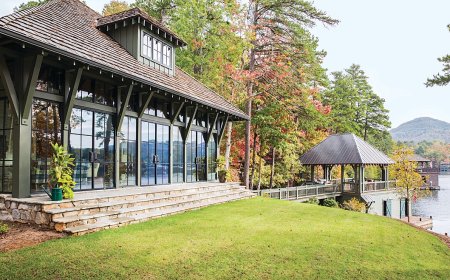
- The Victorian Gazebo Restored in 2017, it offers panoramic views of the meadow and is ideal for sunset photography.
- The Memorial Oak A 300-year-old tree honoring local soldiers. Its roots form natural seating.
Take your time at each stop. Read the plaques. Listen. Smell the earth. This is not a raceits a meditation.
Step 6: Explore the Secondary Woodland Paths
Once youve completed the Heritage Trail, venture off the main path. The parks network of secondary trailsunmarked but well-troddenleads to hidden clearings, moss-covered stone ruins, and secret benches tucked beneath yew trees. These areas are rarely visited and offer the most intimate connection with nature.
Use a compass app or GPS waypoint to mark your starting point. Always stay within the parks boundaries, which are clearly delineated by wooden posts and signage. Avoid stepping on fern beds or disturbing fallen logsthese are critical habitats for insects, fungi, and small mammals.
Step 7: Document Your Experience
Bring a journal or use a voice memo app to record observations. Note the types of birds you hear, the scent of the air after rain, the texture of bark on ancient oaks, or the way light filters through the canopy at 4 PM. These details become personal artifacts of your journey.
If photographing, follow ethical guidelines: never disturb wildlife for a shot, avoid flash near nesting areas, and never climb trees or structures for perspective. Capture the park as it isauthentic and undisturbed.
Step 8: Respect Quiet Zones and Wildlife Protocols
Morden Park has designated quiet zonesmarked by circular signs with a single leaf symbolwhere conversation must be hushed and phones silenced. These areas are sanctuaries for nesting birds and sensitive plant species.
Never feed animals. Even well-intentioned offerings like bread or apples can disrupt natural diets and attract pests. Keep dogs on a leash at all times, even if theyre well-behaved. Many visitors come to the park specifically for solitude and peace.
Step 9: Exit Thoughtfully and Leave No Trace
When concluding your visit, retrace your steps to the main entrance. Before leaving, perform a quick leave no trace check: ensure no wrappers, tissues, or personal items remain. Pick up any litter you seeeven if its not yours. The park thrives because of community care.
Consider signing the visitor book at the kiosk or leaving a note in the suggestion box. Your feedback helps preserve the park for future generations.
Step 10: Extend Your Engagement
Exploring Morden Park doesnt end when you leave. Join the Morden Park Friends Group, a volunteer organization that leads monthly cleanups, tree plantings, and guided walks. Attend their spring equinox event or autumn foliage lecture. Youll deepen your connection to the space and contribute to its long-term health.
Share your experiencewithout revealing exact locations of sensitive areason social media using
ExploreMordenPark. Inspire others to visit respectfully.
Best Practices
Practice Mindful Observation
One of the most powerful ways to explore Morden Park is to slow down. Sit on a bench for 10 minutes without looking at your phone. Notice how the wind moves through the leaves. Listen for the distant call of a robin or the rustle of a vole in the underbrush. Mindful observation transforms a walk into a restorative experience.
Adopt a No Trace Ethic
Every visitor has a responsibility to protect the parks ecosystem. This means:
- Carrying out everything you carry in
- Staying on designated paths to prevent soil erosion
- Not removing plants, stones, or feathers
- Using designated picnic areas only
- Keeping noise levels low
These practices arent just rulestheyre acts of stewardship.
Support Local Conservation
Donations to the Morden Park Conservation Trust help fund trail maintenance, invasive species removal, and educational programs. Even a small monthly contribution makes a difference. Consider volunteering for a planting day or helping to catalog bird species during the annual bioblitz.
Learn the Local Flora and Fauna
Take time to identify common species:
- Trees: Pedunculate oak, silver birch, hornbeam, and beech
- Flowers: Bluebell, wood anemone, foxglove, and wood sorrel
- Birds: Great spotted woodpecker, blackcap, long-tailed tit, and green woodpecker
- Wildlife: Roe deer, hedgehog, red squirrel (rare), and bank vole
Apps like iNaturalist or Merlin Bird ID can assist with identification. Record your findings and contribute to citizen science databases.
Respect Cultural Significance
Morden Park is not just a natural spaceits a cultural landmark. The gazebo, the hall, and even the layout of the paths reflect Victorian ideals of landscape design. Treat these features with reverence. Dont carve initials, climb on walls, or use them as backdrops for loud photo sessions.
Plan for Accessibility
While many trails are uneven, the main Heritage Trail is wheelchair-accessible with gentle gradients and paved sections. Accessible parking is available near the entrance. The park also offers tactile maps and audio guides for visually impaired visitors. Contact the Merton Council in advance if you need special accommodations.
Engage with Seasonal Events
Morden Park hosts a calendar of events that enrich your visit:
- Spring Wildflower Walk Guided tour identifying rare blooms
- Autumn Leaf Festival Art installations made from fallen foliage
- Winter Solstice Lantern Walk A quiet, candlelit procession through the woods
- Summer Birdsong Concert Classical music performed near the pond
These events are free and open to all. They foster community and deepen appreciation for the parks rhythms.
Tools and Resources
Official Maps and Apps
Download the Merton Council Parks App for real-time updates on trail conditions, event schedules, and wildlife sightings. It includes offline maps, audio tours, and a Report an Issue feature for damaged signage or litter.
For historical context, visit the Morden Park Digital Archive (mordenparkarchive.org), which hosts digitized photographs, letters from early 20th-century gardeners, and architectural blueprints.
Field Guides and Books
- The Woodland Year by Ben Law A seasonal guide to woodland life, perfect for understanding Mordens ecosystem.
- British Trees: A Field Guide by Alan Mitchell Essential for identifying native species.
- The Sound of a Wild Snail Eating by Elisabeth Tova Bailey A poetic reflection on stillness and observation, ideal for quiet moments in the park.
Technology Aids
- Merlin Bird ID Free app by Cornell Lab that identifies bird calls by recording them.
- iNaturalist Upload photos of plants or animals to get community-verified identifications and contribute to global biodiversity data.
- Google Earth Pro Use the historical imagery slider to see how the park has changed over 80 years.
- Weather Underground Check microclimate forecasts for Morden Park to plan for mist, rain, or frost.
Community Groups and Organizations
- Morden Park Friends Group Volunteer-led group organizing cleanups and guided walks. Join via their website.
- RSPB South London Branch Offers birdwatching sessions and educational workshops.
- London Wildlife Trust Provides grants and training for habitat restoration projects.
Photography Equipment Recommendations
For capturing the parks essence without intrusion:
- Lens: 2470mm for landscapes, 100mm macro for flowers and insects
- Tripod: Lightweight carbon fiber for stability on uneven ground
- Filters: Circular polarizer to reduce glare on water and enhance foliage color
- Camera Settings: Use aperture priority (f/8f/11) for depth of field; ISO 100400 for low light
Audio Resources
Listen to these before or after your visit:
- The Sounds of Morden Park A 30-minute ambient recording by local sound artist Naomi Finch
- Voices of the Grove A BBC podcast featuring interviews with long-time park volunteers
- Walking with Trees A mindfulness audio series by the Tree Council
Real Examples
Example 1: The Photographer Who Found Stillness
Emma, a freelance photographer from Croydon, visited Morden Park on a rainy Tuesday morning. She came to capture mood, not just images. Armed with her macro lens and a waterproof cover, she spent two hours near the pond, waiting for the mist to lift. She captured a single kingfisher diving into the waterits blue flash frozen in a 1/2000th second exposure. But more importantly, she recorded the sound of raindrops hitting the leaves in her phones voice memo app. Months later, she used that audio in an art installation titled The Park Breathes. Her work was featured in a local gallery and inspired 300 visitors to explore the park themselves.
Example 2: The Student Who Documented Biodiversity
Sam, a biology student at Kingston University, spent three weekends documenting species in Morden Park as part of a university project. Using iNaturalist, he recorded 87 different species, including a rare sighting of a dormouse near the Old Orchard. His findings were submitted to the London Biodiversity Record Centre and helped upgrade the parks conservation status from moderate to high ecological value. Sam now leads student field trips to the park each semester.
Example 3: The Retiree Who Revived the Gazebo
After retiring, Harold began visiting Morden Park daily. He noticed the Victorian gazebos paint was peeling and the floorboards were rotting. He contacted the Friends Group and offered to help. Over six months, he raised 2,000 through small community bake sales and hand-painted restoration signs. He now leads weekly gazebo tea hours, inviting visitors to sit, sip tea, and share stories. The gazebo is now one of the parks most cherished spaces.
Example 4: The Family Who Made It a Tradition
The Patel family visits Morden Park every first Sunday of the month. They bring a picnic, a notebook, and a camera. Each member picks a different theme: Mom records bird calls, Dad sketches trees, their daughter draws insects, and their son collects fallen leaves to press. Over five years, theyve built a family archive of seasonal change. Theyve never taken a vacation abroadinstead, theyve watched the park transform through seasons, storms, and years. Its our living museum, says Mrs. Patel.
Example 5: The Teacher Who Turned a Field Trip Into a Lifelong Love
Mrs. Davies, a primary school teacher, took her class on a nature walk to Morden Park. She didnt give them worksheets. Instead, she asked: What does the wind say here? The children sat quietly, listened, and wrote poems. One child wrote: The trees are whispering secrets to the moss. That poem was later published in a local anthology. Ten years later, that child returned as a park ranger.
FAQs
Is Morden Park open all year?
Yes, Morden Park is open daily from sunrise to sunset, 365 days a year. There are no entry fees. Some facilities, like the visitor kiosk and restrooms, have limited hourscheck the Merton Council website for seasonal updates.
Can I bring my dog?
Yes, dogs are welcome but must be kept on a leash at all times. This protects wildlife, prevents disturbance to other visitors, and complies with local bylaws. Always clean up after your pet.
Are there public restrooms?
There are two accessible restrooms: one near Morden Hall House and another near the main entrance. Both are maintained by the council and cleaned daily. Portable toilets are added during peak events.
Can I fly a drone in Morden Park?
No. Drone use is prohibited without written permission from Merton Council. Drones disrupt wildlife and violate the parks quiet zone policies. Photography from the ground is encouraged instead.
Is there parking available?
Yes, there is a small free parking lot off Morden Park Road with 15 spaces, including two accessible spots. Street parking is available on adjacent roads, but observe time limits. Consider walking, cycling, or using public transport to reduce congestion.
Can I have a picnic?
Yes, picnics are welcome in designated areas near the pond and the main lawn. Use only the provided benches and tables. Do not place blankets on flower beds or near the deer enclosure.
What should I do if I see an injured animal?
Do not approach or attempt to handle the animal. Note its location and contact the Merton Council Wildlife Helpline (listed on park signage) or the RSPCA. Trained responders will assist.
Are guided tours available?
Yes. The Morden Park Friends Group offers free guided walks on the first Saturday of each month. Themes include birdwatching, botanical identification, and history. No booking requiredjust arrive at the entrance at 10:30 AM.
Can I collect fallen leaves or acorns?
Small quantities for personal, non-commercial use (e.g., crafts or school projects) are permitted. Do not dig up roots, strip bark, or remove large quantities. The parks natural cycle depends on these materials returning to the soil.
Is Morden Park suitable for children?
Absolutely. The Heritage Trail is stroller-friendly, and there are several open meadows perfect for running and playing. The park also features a natural play area with log balances and sand pits, maintained by volunteers.
Conclusion
Exploring Morden Park is not a checklistits a conversation. A conversation with the earth, with history, with silence, and with yourself. It asks you to slow down, to notice, to care. In a world that often values speed over stillness, Morden Park stands as a quiet rebellion: a space where time is measured in bird calls and leaf fall, not in minutes and hours.
By following the steps outlined hereresearching its past, respecting its present, and contributing to its futureyou dont just visit Morden Park. You become part of its story. You become one of its guardians.
Whether you come for the bluebells in April, the golden light in October, or the peace of a winter morning, know this: your presence matters. Your footsteps echo in the soil. Your quiet observation nourishes the ecosystem. Your respect ensures that generations to come will also hear the whisper of the wind through the oaks.
So lace up your shoes. Bring your curiosity. Leave your noise behind. And step into Morden Parknot as a tourist, but as a guest. The park has been waiting.