

























The Future of Residential Real Estate in Gurgaon: Major Trends to Watch
Discover key growth trends, micro-market shifts, and capital appreciation drivers defining the future of residential real estate in Gurgaon for home buyers.


The evolution of Gurgaon from a modest suburban outpost on the periphery of Delhi into a sprawling, multi-billion-dollar metropolis represents one of the most remarkable urban transformations in modern Asian history. Known globally as the Millennium City, Gurgaon has transcended its initial reputation as purely a commercial and IT hub to become the pinnacle of premium residential living in North India. As infrastructure accelerates and lifestyle expectations pivot toward holistic wellness, security, and smart technology, understanding the Ireo New Project dynamics and overarching market trajectories becomes essential for homeowners, investors, and industry stakeholders alike.
Analyzing the future of residential real estate in Gurgaon requires examining a complex web of macroeconomic growth, infrastructural mega-projects, shifting demographic aspirations, and urban planning innovations. The city is no longer merely absorbing overflow population from New Delhi; it is actively setting the benchmark for high-end gated communities, eco-friendly luxury towers, and transit-oriented urban ecosystems across India. Driven by robust corporate presence, expanding metro lines, and arterial expressways like the Southern Peripheral Road (SPR) and Dwarka Expressway, Gurgaons property landscape is undergoing a structural paradigm shift.
This article provides an authoritative, expert-level analysis of the key trends shaping Gurgaon's residential skyline over the next decade. From the explosive growth of micro-markets in Sector 67A and Golf Course Extension Road to the rising demand for integrated townships, smart home automation, and NRI capital inflows, we explore every dimension of this thriving property market. Whether you are a first-time buyer looking for a future-proof residence, an investor seeking compounding rental yields, or an industry observer tracking urban trends, this guide provides actionable intelligence on what lies ahead.
The Future of Residential Real Estate in Gurgaon: Major Trends to Watch
Gurgaons real estate trajectory is entering an unprecedented phase of maturity. Historically characterized by speculative land buying and decentralized developments, the market today is governed by institutional developers, stringent regulatory oversight under HRERA (Haryana Real Estate Regulatory Authority), and end-user demand driven by affluent working professionals, corporate executives, and high-net-worth individuals (HNIs).
As we look toward the future of residential real estate in Gurgaon, several structural vectors are redefining how homes are designed, acquired, and experienced. The modern homebuyer in Gurgaon is no longer satisfied with mere square footage; the demand has shifted toward master-planned environments, green construction certifications, state-of-the-art clubhouses, multi-tier security, and seamless connectivity to major business districts like Cyber City, Golf Course Road, and Sohna Road.
1. The Micro-Market Revolution: Dwarka Expressway, Golf Course Extension, and SPR
The geographic epicenter of real estate development in Gurgaon has moved progressively south and west over the last decade. While central locations like Golf Course Road and MG Road have reached near-saturation with sky-high land values, secondary micro-markets have emerged as the primary growth engines for new residential launches.
Southern Peripheral Road (SPR) and Sector 67A as Growth Anchors
The Southern Peripheral Road (SPR) corridor, spanning Sectors 68 through 75 and connecting seamlessly to Sector 67A, represents one of the most strategic residential belts in the city. Sector 67A, in particular, has gained massive traction due to its immediate proximity to established commercial hubs and direct arterial access to both Sohna Road and the Delhi-Mumbai Industrial Corridor (DMIC) influence zone.
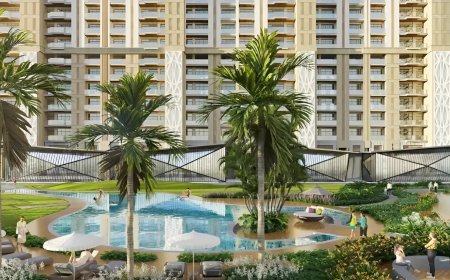
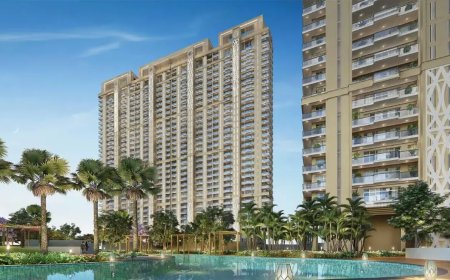
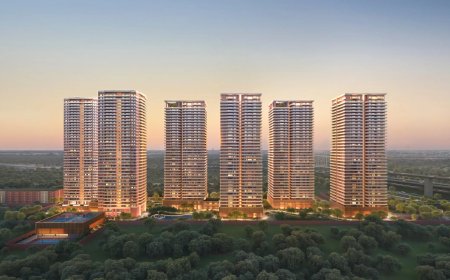
Within Sector 67A, flagship developments such as Ireo Corridors Sector 67A Gurgaon demonstrate the shifting market preference toward expansive, self-contained residential ecosystems. Buyers in this belt are prioritizing large land parcels that offer comprehensive in-house amenitiesincluding sports complexes, health centers, retail plazas, and school sitesreducing the need to commute for daily lifestyle needs.
Dwarka Expressway and Central Peripheral Road (CPR) Integration
The operationalization of the 29-kilometer Dwarka Expressway has permanently altered Gurgaons spatial connectivity to New Delhi and Indira Gandhi International (IGI) Airport. The Central Peripheral Road (CPR) acts as a crucial bridge linking Dwarka Expressway directly with SPR and NH-48. This seamless multi-modal connectivity has converted sectors along these corridors into prime real estate hubs, experiencing rapid price appreciation over recent quarters.
2. The Unprecedented Surge in Luxury and Ultra-Luxury Housing
One of the most striking developments in Gurgaons residential landscape is the dominant shift toward luxury and ultra-luxury real estate. While affordable and mid-segment housing comprised a major share of launches in previous decades, high-end developments now command the lion's share of market interest and capital investment.
Why High-Net-Worth Individuals (HNIs) and NRIs are Choosing Gurgaon
Gurgaon has firmly established itself as the preferred residential destination for corporate C-suite executives, tech founders, industrialists, and Non-Resident Indians (NRIs). Several key factors account for this influx:
-
World-Class Infrastructure inside Projects: Modern gated communities offer private sports leagues, temperature-controlled Olympic-sized pools, concierge services, and multi-cuisine dining options within the residential complex.
-
Volumetric Space and Architecture: Buyers are demanding larger configurations, specifically 3.5 BHK, 4.5 BHK, and expansive penthouse units with private plunge pools, wrap-around balconies, and floor-to-ceiling glass facades.
-
Dollar-to-Rupee Arbitrage for NRIs: Favorable foreign exchange rates combined with transparent regulatory frameworks under HRERA have spurred substantial NRI investments from the GCC region, the United States, Singapore, and the United Kingdom.
Projects across the city, including premium offerings like Ireo Corridors, illustrate how developers are catering to this demand by integrating grand entrance lobbies, private elevator access, and low-density layouts that maximize open green spaces.
3. Integrated Townships and Self-Contained Gated Ecosystems
The modern homebuyers definition of convenience has been redefined. The isolation experienced during global events, combined with increasing urban congestion, has accelerated the preference for master-planned integrated townships over standalone, isolated residential buildings.
Sustainable Architecture and Green Living Features
The future of Gurgaon real estate is inextricably linked with environmental sustainability. With rising awareness of climate resilience, rainwater harvesting, and air filtration, modern buyers are evaluating buildings based on their ecological footprint. Key sustainable elements being built into top-tier projects include:
-
GBC / LEED Certifications: Energy-efficient building envelopes, solar-powered common lighting, and high-performance reflective glass that reduces interior heat gain.
-
Advanced Air Filtration Systems: Centralized air quality management systems within apartments and indoor clubhouses to mitigate seasonal PM2.5 challenges.
-
Zero-Discharge Water Management: On-site sewage treatment plants (STPs) that recycle wastewater for landscaping, flushing, and cooling towers, drastically reducing reliance on municipal water supply.
-
Expansive Urban Forests: Landscaping strategies prioritizing native flora, biodiversity parks, and jogging trails set within dedicated 7080% open-to-sky land areas.
High-density urban living is being counterbalanced by master plans like Ireo The Corridors, where vast green spans and dedicated sports facilities create a sanctuary-like environment without compromising on city access.
4. Smart Homes, PropTech Integration, and Next-Gen Living
Technology is no longer an optional add-on in luxury residential construction; it is a foundational infrastructure requirement. PropTech innovations are transforming how Gurgaon residents interact with their living spaces.
Home Automation and IoT Ecosystems
Modern Gurgaon residences are increasingly delivered with pre-installed or smart-ready infrastructure. Key technological integrations include:
-
Automated Climate and Lighting Control: Smart touch panels and voice-activated interfaces that optimize energy usage based on occupancy and natural daylight levels.
-
Multi-Layer Digital Security: Keyless entry locks, biometric access, license plate recognition at gates, and app-based visitor verification systems that enhance safety without causing resident delays.
-
EV Charging Infrastructure: Dedicated EV charging bays assigned to individual parking spaces, alongside fast-charging stations in visitor parking zones, anticipating the rapid transition toward electric mobility.
As modern buyers evaluate Ireo New Project Gurgaon developments, property technology integration stands as a primary metric for future-proofing their asset value.
5. Infrastructure Catalysts Driving Capital Appreciation
Real estate values in Gurgaon are fundamentally anchored to public and private infrastructure spending. Haryanas state government, in coordination with the Haryana Development Authority (HSVP) and the Gurugram Metropolitan Development Authority (GMDA), has initiated multiple mega-infrastructure projects that directly impact capital values across residential micro-markets.
Expressways, Metro Expansions, and Transit-Oriented Development (TOD)
-
Gurgaon Metro Phase-2 Expansion: The approved extension of the metro network from HUDA City Centre (Millennium City Centre) across Subhash Chowk, Hero Honda Chowk, Sector 10, and connecting back to Cyber City will dramatically improve public transit access for sectors along SPR and Sohna Road.
-
Delhi-Mumbai Expressway (NH-148N): Starting near Sohna, this expressway offers rapid access to regional economic zones, positioning southern Gurgaon sectors as ideal logistics and residential nodes.
-
Cloverleaf Interchanges & Flyovers: Continuous infrastructure upgrades, including signal-free corridors along SPR, Golf Course Extension Road, and Cyber City routes, have cut commute times across major business hubs.
-
Transit-Oriented Development (TOD) Policy: Encouraging higher Floor Area Ratio (FAR) along major transit corridors, allowing mixed-use developments that combine high-density residential housing with boutique retail and office parks within walking distance.
6. Investment Dynamics: Rental Yields, Capital Growth, and Market Stability
Gurgaons real estate market has transitioned from a speculative trading environment to a mature, yield-supported investment market. The presence of multinational corporations, Fortune 500 headquarters, and a growing startup ecosystem guarantees a continuous stream of high-earning white-collar tenants seeking quality housing.
Comparative Appreciation and Yield Matrix
Residential rental yields in Gurgaon have historically averaged between 2.5% and 3.5%. However, premium gated communities and integrated townships along SPR and Golf Course Extension Road are now generating yields of 4.0% to 5.0%, driven by intense demand for high-quality rental accommodations from corporate relocations.
Locations such as Ireo Corridors Gurgaon offer strong asset resilience because they combine operational readiness with extensive lifestyle infrastructure, appealing to end-users and corporate tenants seeking immediate occupancy.
Strategic Market Research & Consumer Insights
Comprehensive research into Gurgaons residential sector reveals clear changes in homebuyer behavior and structural market dynamics:
-
Preference for Branded Developers: Over 82% of home searches in Gurgaon now target established corporate developers with strong execution track records and zero regulatory defaults.
-
Demand for Larger Floorplates: The average unit size requested by buyers in the luxury segment has increased by approximately 25% over the past three years, shifting the market benchmark from standard 2 BHK layouts toward 3.5 BHK and 4.5 BHK residences.
-
Focus on Post-Handover Facility Management: Buyers are scrutinizing long-term operations, looking at professional estate management, maintenance reserves, and community governance standards before making purchasing decisions.
-
Institutionalization of Capital: Private equity funds and domestic institutional investors continue to fund major residential developments in Gurgaon, validating the long-term fundamentals of the city's market.
Future Outlook (20262030)
Looking toward 2030, Gurgaons residential real estate market is set for sustained maturity and value creation. Key developments shaping the future landscape include:
-
Rise of Low-Density Luxury: As high-rise projects become common along major expressways, low-density luxury floors and gated villa communities will command high premiums due to land scarcity.
-
Complete Integration of Smart Infrastructure: Decentralized waste management, automated traffic management within townships, and solar-paneled building envelopes will move from premium features to standard building code practices.
-
Expansion of Micro-Retail and Social Infrastructure: Neighborhoods like Sector 67A, Sohna Road, and Golf Course Extension will see further integration of high-street retail, international schools, and tertiary-care medical centers adjacent to residential sectors.
-
Strengthened Governance and HRERA Enforcement: Enhanced transparency under HRERA will protect buyer capital, eliminate project delivery delays, and foster balanced supply-demand dynamics across all price segments.
-
Shift toward Premiumization: Gurgaon has cemented its position as North India's hub for luxury and ultra-luxury residential living, supported by strong corporate demand and NRI capital.
-
Micro-Market Prominence: Growth is concentrated along key corridors including the Southern Peripheral Road (SPR), Sector 67A, Golf Course Extension Road, and the Dwarka Expressway.
-
Master-Planned Living: End-users prioritize integrated townships offering extensive open spaces, multi-tier security, dedicated sports facilities, and in-house retail conveniences over standalone buildings.
-
Infrastructure Synergy: Rapid metro extensions, peripheral expressways, and transit-oriented development policies are driving sustained long-term capital appreciation across connected residential sectors.
-
Tech & Sustainability Integration: EV readiness, smart home IoT systems, and green building certifications are now standard requirements for future-proofed residential assets in the city.
Frequently Asked Questions
What makes Gurgaon the preferred destination for luxury real estate investment in NCR?
Gurgaon offers world-class corporate presence, modern master-planned sectors, advanced highway connectivity, and high-end gated communities that provide superior lifestyle amenities compared to traditional urban centers in the NCR.
Why is Southern Peripheral Road (SPR) considered a top real estate hub in Gurgaon?
Southern Peripheral Road directly connects Golf Course Extension Road, Sohna Road, and NH-48 while providing quick access to major business districts. Its modern infrastructure, upcoming metro connectivity, and presence of premium master-planned projects make it a prime residential belt.
How does Sector 67A stand out among residential sectors in Gurgaon?
Sector 67A features low-density luxury developments, excellent arterial connectivity via SPR and Sohna Road, close proximity to top international schools and healthcare facilities, and expansive integrated townships designed for holistic family living.
What are the main benefits of investing in an integrated residential township?
Integrated townships offer self-contained living with comprehensive amenities inside the perimeter, including 24/7 multi-tier security, sports complexes, landscaped parks, power backup, retail stores, and dedicated facility management.
How are green building practices influencing home buyer choices in Gurgaon?
Buyers increasingly favor developments with LEED or IGBC green certifications, rainwater harvesting, solar power generation, zero-discharge water recycling, and advanced air filtration systems that ensure healthier living environments and lower operational utility costs.
What is the average rental yield expected from residential properties in Gurgaon?
Residential rental yields in prime Gurgaon micro-markets typically range between 3.5% and 5.0%, with premium gated communities and well-connected integrated townships achieving the higher end of this spectrum due to strong corporate tenant demand.
How has the operationalization of Dwarka Expressway impacted Gurgaon real estate?
The Dwarka Expressway has reduced travel times to Indira Gandhi International Airport and Delhi, spurred high-end launches in surrounding sectors, and created a high-growth corridor that continues to experience strong capital appreciation.
What configuration of apartments is currently in highest demand in Gurgaon?
There is strong market demand for larger floorplates, specifically 3 BHK, 3.5 BHK, and 4.5 BHK units that accommodate dedicated work-from-home spaces, helper quarters, and larger living areas suitable for modern family requirements.
How does HRERA protect residential property buyers in Gurgaon?
HRERA mandates project registration, enforces strict project delivery schedules, requires developer funds to be held in dedicated escrow accounts, ensures structural warranty for five years, and provides a clear legal framework for dispute resolution.
What role does PropTech play in modern Gurgaon residential projects?
PropTech enhances daily living through smart home automation, app-based visitor verification, automated energy conservation, smart water metering, EV charging management, and digital facility management for residents.
Are NRI investments in Gurgaon residential real estate expected to grow?
Yes, NRI investments are expanding steadily due to favorable foreign exchange rates, transparent regulatory protections under HRERA, professional property management services, and strong long-term capital appreciation in prime corridors.
What impact will upcoming metro expansions have on residential property values?
The expansion of the Gurgaon Metro across central and peripheral sectors will reduce traffic congestion, improve public transit connectivity, and drive capital appreciation for residential developments located within walking or short driving distance of new stations.
Why are low-density residential developments becoming more popular in Gurgaon?
Low-density developments offer greater privacy, larger per-capita share of open space and amenities, reduced noise pollution, and better long-term land value retention compared to congested, high-density residential towers.
How do I evaluate the long-term investment potential of a Gurgaon real estate project?
Key criteria include developer reputation and execution track record, exact micro-market location, proximity to commercial office hubs, quality of ongoing facility management, water and power supply infrastructure, and access to arterial roads.
What is the future outlook for capital appreciation in Gurgaon residential property over the next 5 years?
The 5-year outlook remains strong, supported by expanding corporate footprints, continuous public infrastructure upgrades, controlled high-quality supply, and steady end-user demand across premium and luxury micro-markets.
Final Thoughts
The future of residential real estate in Gurgaon is characterized by quality, sustainability, and technological integration. As the city continues to consolidate its status as the financial and corporate heartbeat of North India, its residential sector is setting benchmark standards for modern urban living. High-net-worth buyers and long-term investors are shifting focus toward master-planned, low-density ecosystems that provide security, wellness, and connectivity under one umbrella.
Investing in Gurgaons residential market requires a strategic focus on location fundamentals, developer track records, and long-term infrastructure connectivity. Micro-markets such as Sector 67A, SPR, and Golf Course Extension Road represent the core drivers of future urban growth. By choosing well-designed, future-proof assets within integrated communities, home buyers and investors can secure strong capital appreciation and an exceptional quality of life for years to come.