


























Reliability Factors Unique to HDI Printed Circuit Boards
Explore the key reliability factors unique to HDI Printed Circuit Boards, diving into what engineers and manufacturers need to consider to ensure lasting performance in increasingly demanding environments.

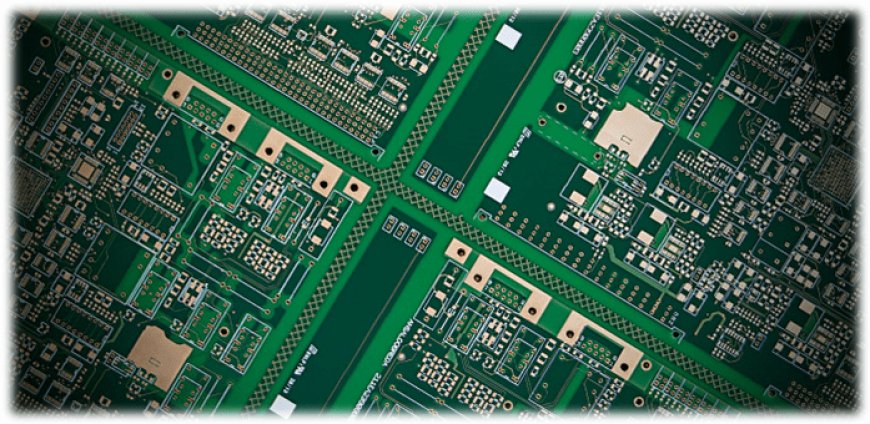
As the demand for smaller, faster, and more powerful electronic devices continues to rise, the HDI Printed Circuit Board (High-Density Interconnect PCB) has become a cornerstone of modern electronic design. From smartphones and medical equipment to aerospace systems and advanced automotive technologies, HDI PCBs enable designers to pack high-performance functionality into incredibly compact formats.
But with miniaturization comes complexityand with complexity comes a whole new set of reliability challenges. In this article, we will explore the key reliability factors unique to HDI Printed Circuit Boards, diving into what engineers and manufacturers need to consider to ensure lasting performance in increasingly demanding environments.
What Makes HDI PCBs Different?
To appreciate the reliability issues unique to HDI Printed Circuit Boards, it helps to first understand what sets them apart from traditional PCBs.
HDI Printed Circuit Boards use microvias, blind and buried vias, fine lines, and high layer counts to achieve dense circuit layouts. This allows more routing space per unit area and enables the creation of thinner, lighter, and more capable electronic products. However, this also introduces a new layer of design and manufacturing complexity.
Because of their structure, HDI PCBs are more susceptible to mechanical, thermal, and electrical stress. These vulnerabilities can impact product lifespan, performance, and safetyespecially in mission-critical applications. Check over here if you're seeking in-depth insights into HDI design innovations.
1. Microvia Reliability
Microviassmall, laser-drilled holes that connect adjacent PCB layersare a defining feature of HDI boards. While they are critical for density, their small size makes them prone to failures such as:
- Cracking or delamination under thermal cycling
- Void formation due to poor plating
- Weak intermetallic bonding
To enhance microvia reliability, manufacturers must apply advanced drilling, cleaning, and copper plating techniques. Stacked microvias, common in high-layer HDI designs, must be closely inspected for voids and misalignment, which can severely compromise signal integrity and board functionality.
2. Thermal Cycling and Coefficient of Thermal Expansion (CTE)
HDI Printed Circuit Boards are often deployed in environments where temperature changes are frequent and severe. The different materials used in the boardlike copper, resin, and glass fiberexpand and contract at different rates. This mismatch in CTE can result in stress fractures, especially in the via structures.
The higher the layer count and the more microvias present, the more pronounced this issue becomes. Go right here for practical guides on choosing low-CTE materials for HDI applications.
Material selection and via design optimization are crucial to mitigating these risks. Using filled and capped vias or applying staggered via arrangements can reduce the chance of mechanical failure under thermal stress.
3. Signal Integrity Challenges
HDI PCBs support high-speed data transfer, making signal integrity a top concern. The use of thin dielectric layers and close spacing between traces increases the risk of:
- Crosstalk
- Reflections
- Impedance mismatches
Ensuring consistent impedance requires tight control over PCB stackup and trace geometry. High-speed signals can also generate unwanted noise, leading to electromagnetic interference (EMI), particularly in densely packed environments.
HDI board designers must employ advanced simulation tools, high-frequency material choices, and robust layout practices to preserve signal integrity.
4. Moisture Sensitivity
Due to their compact design and tight material tolerances, HDI Printed Circuit Board can be more susceptible to moisture absorption. If not properly dried before reflow soldering, moisture can expand rapidly and cause delamination or blisteringa failure mode known as "popcorning."
To counteract this, manufacturers must adhere to strict Moisture Sensitivity Level (MSL) handling protocols and use low-absorption materials. Find out more about material selection for HDI boards to reduce environmental vulnerability.
5. Material Compatibility
Not all materials that work in traditional PCBs are suitable for HDI designs. Materials used in HDI boards must be compatible in terms of:
- Thermal expansion
- Dielectric constant
- Plating adhesion
- Mechanical strength
Incompatible materials can lead to warping, poor lamination, or early dielectric breakdown. Choosing materials specifically formulated for HDI applications is essential for long-term reliability.
6. Manufacturing Precision
The reliability of an HDI Printed Circuit Board hinges not just on design but on manufacturing precision. HDI fabrication involves:
- Laser drilling at micron-level tolerances
- Sequential lamination processes
- High-resolution imaging and etching
Any deviation or contamination at these stages can lead to latent defects. Thats why it's vital to partner with experienced, certified manufacturers who specialize in HDI production. Check over here for industry leaders offering state-of-the-art HDI capabilities.
7. Inspection and Testing
Given the compact and complex nature of HDI PCBs, standard inspection methods may fall short. Advanced X-ray inspection, automated optical inspection (AOI), and electrical testing are essential to detect micro-defects invisible to the naked eye.
Routine stress testing like thermal shock, vibration, and humidity cycling can help validate design robustness before going to market.
Final Thoughts
The push for smaller, more powerful electronics has solidified the HDI Printed Circuit Board as a critical enabler of innovation. But its benefits come with a caveat: increased reliability risks that must be carefully managed through smart design, careful material selection, and precision manufacturing.
As electronics continue to evolve, so too must the strategies to ensure HDI Printed Circuit Board reliability. Whether you're developing cutting-edge medical devices or high-speed communication modules, understanding these reliability factors is key to success.
To explore HDI technology in greater depth, go right here to discover how leading experts are driving improvements in design and durability. And for engineers and product developers eager to stay ahead of the curve, find out more about emerging HDI innovations shaping tomorrows electronics.