

























Comprehensive Gold Potassium Cyanide Manufacturing Plant Project Report by Procurement Resource
Procurement Resource, a renowned provider of market research and procurement intelligence, has launched its latest Gold Potassium Cyanide (GPC) Manufacturing Plant Project Report.
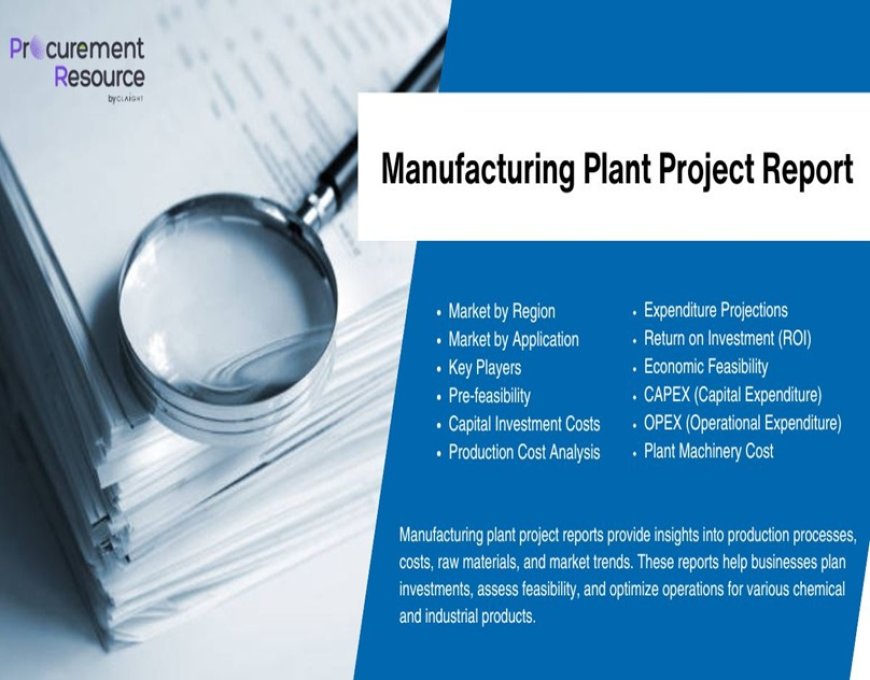
Procurement Resource, a renowned provider of market research and procurement intelligence, has launched its latest Gold Potassium Cyanide (GPC) Manufacturing Plant Project Report. This exhaustive study is a strategic guide for businesses and entrepreneurs looking to establish a gold potassium cyanide production facility, offering in-depth insights into market dynamics, manufacturing processes, technical requirements, financial metrics, and sustainability factors.
This comprehensive report enables organizations to make informed investment decisions by offering actionable intelligence, cost modeling, and feasibility analysis to streamline operations and maximize returns.
Gold Potassium Cyanide (GPC): A Crucial Compound for the Precious Metals Industry
Gold Potassium Cyanide (K[Au(CN)?]), commonly abbreviated as GPC, is a water-soluble gold complex salt widely used in gold electroplating, especially for electronics, jewelry, and decorative applications. It is a key material in producing uniform, adherent, and corrosion-resistant gold coatings.
Key Applications:
- Electronics: GPC is used to plate connectors, semiconductors, and circuit boards due to golds superior conductivity and resistance to oxidation.
- Jewelry Manufacturing: Enables uniform gold plating in high-end jewelry with a high degree of aesthetic finish.
- Aerospace & Defense: Ensures corrosion protection and conductivity in critical components.
- Laboratory Reagents: Occasionally used in analytical chemistry and metallurgical processes.
The growing demand for miniaturized electronics, decorative applications, and high-reliability components is driving the global need for high-purity gold potassium cyanide.
Project Scope and Key Inclusions
The Procurement Resource Report for GPC manufacturing offers a granular breakdown of all essential elements involved in launching and running a production unit. This includes:
- A step-by-step analysis of the manufacturing process
- Raw material procurement strategy
- Machinery and infrastructure requirements
- Utility and manpower estimates
- Regulatory compliance and safety considerations
- Investment costs, profitability, and ROI analysis
1. Market Analysis and Industry Outlook
Global Demand Trends:
- Electronics Boom: The exponential growth of the semiconductor and electronics sector globally has significantly increased the consumption of gold-plated components.
- Luxury Goods and Jewelry: Rising disposable income and demand for premium, plated gold products are fueling market growth in regions like Asia-Pacific and the Middle East.
- Sustainability and Recycling: Manufacturers are focusing on eco-friendly practices and closed-loop recycling systems for gold-based chemicals, further strengthening market fundamentals.
Regional Performance:
- Asia-Pacific: Dominates the global GPC market due to the presence of large electronics manufacturers in countries like China, Japan, South Korea, and India.
- North America & Europe: Show steady demand with high regulatory standards and focus on quality assurance.
- Middle East & Africa: Emerging as potential markets due to increasing investments in electronics assembly and luxury goods.
The report provides a detailed price and supply chain analysis of key raw materials such as gold bullion and potassium cyanide, along with current price trends of GPC in various regions.
2. Manufacturing Process Overview
The GPC manufacturing process involves the reaction of metallic gold with potassium cyanide in the presence of oxygen and water. The typical steps include:
Step-by-Step Process:
- Dissolution of Gold:
- Gold granules or scrap are reacted with a potassium cyanide solution in the presence of an oxidizing agent (often hydrogen peroxide or atmospheric oxygen).
- The reaction yields gold potassium cyanide and water.
- Filtration:
- The mixture is filtered to remove any insoluble impurities or residues.
- Crystallization:
- The filtered solution is cooled and evaporated under controlled conditions to induce crystallization of high-purity GPC.
- Drying:
- The GPC crystals are dried in vacuum ovens to remove moisture content.
- Quality Control and Packaging:
- The final product is tested for purity (typically > 68% Au content) and packed in air-tight containers for secure storage and transportation.
3. Machinery and Infrastructure Requirements
Core Equipment:
- Gold dissolution reactors (glass-lined or high-grade stainless steel)
- Agitators and reaction tanks
- Filtration units (vacuum filters or filter presses)
- Crystallizers (batch or continuous type)
- Vacuum dryers
- High-purity packaging systems (inert environment chambers)
Utilities Required:
- Clean water supply (for reagent preparation and cleaning)
- Compressed air and oxygen gas (for oxidation)
- Controlled ventilation and air filtration
- Fume extraction systems (to manage hazardous vapors)
- Power supply with backup systems
Manpower Needs:
- Skilled chemists and chemical engineers
- Production supervisors and technicians
- Safety officers and quality assurance staff
- Maintenance personnel and packaging operators
4. Quality Standards and Regulatory Compliance
Given the hazardous nature of cyanide compounds and the high value of gold, the GPC manufacturing process is highly regulated. Compliance with the following standards is critical:
- Hazardous Chemical Handling: Adherence to OSHA, REACH, and national chemical safety regulations.
- Environmental Regulations: Cyanide waste must be neutralized and disposed of according to local pollution control norms.
- Product Quality Standards: Purity, moisture content, and crystallographic properties must be regularly tested.
- Security Measures: Stringent security protocols are necessary to prevent gold theft and ensure traceability.
5. Economic and Financial Overview
Capital Investment (CAPEX):
Setting up a small to medium-scale gold potassium cyanide manufacturing unit (processing 510 kg of gold/day) typically involves an initial investment of USD 2 to 5 million, which includes:
- High-purity raw gold purchase
- Reactor and crystallizer installation
- Waste management systems
- Safety and security infrastructure
- Facility construction and certification
Operating Costs (OPEX):
Key recurring costs include:
- Raw materials: gold bullion/scrap and potassium cyanide
- Reagents, utilities, and consumables
- Skilled labor and plant maintenance
- Waste treatment and regulatory compliance
- Insurance and security expenses
Profitability Insights:
- Gross Margins: 20%35%, depending on purity and customer segment
- Payback Period: Approximately 23 years
- Return on Investment (ROI): High, particularly for units integrated with gold recovery and recycling systems
The report includes a break-even analysis, cash flow projections, and price sensitivity models to assess profitability under various market conditions.
6. Sustainability and Risk Factors
Environmental and Safety Concerns:
Gold potassium cyanide is highly toxic, and its manufacture and handling require:
- Cyanide containment and neutralization systems
- Regular risk assessments and employee training
- On-site emergency response protocols
- Strict adherence to international and local safety codes
Green Practices:
- Implementing closed-loop systems for cyanide recovery
- Using renewable energy sources to reduce operational emissions
- Investing in gold recycling from electronic waste to minimize raw gold dependency
Why Choose Procurement Resource?
Procurement Resource combines domain expertise with robust analytical tools to deliver customized, data-driven reports that enable business leaders to make informed investment decisions. Its services include:
- Techno-Economic Feasibility Analysis
- Custom Manufacturing Process Design
- Capital and Operating Cost Modeling
- Raw Material Sourcing Strategies
- Regulatory and Environmental Advisory
The Gold Potassium Cyanide Manufacturing Plant Project Report equips investors and manufacturers with all the necessary technical, financial, and strategic insights to establish a safe, profitable, and compliant GPC production facility.
Get a free sample report here - https://www.procurementresource.com/reports/gold-potassium-cyanide-manufacturing-plant-project-report/request-sample
Contact Information
Company Name: Procurement Resource
Contact Person: Ashish Sharma (Sales Representative)
Email: sales@procurementresource.com
Location: 30 North Gould Street, Sheridan, WY 82801, USA
Phone Numbers:
UK: +44 7537 171117
USA: +1 307 363 1045
Asia-Pacific (APAC): +91 120 3185500